

Our Neuro Exercise Specialists use the latest evidence-based approaches to support people living with Alzheimer’s disease and other forms of dementia, with a focus on mobility, cognition, mood and quality of life.
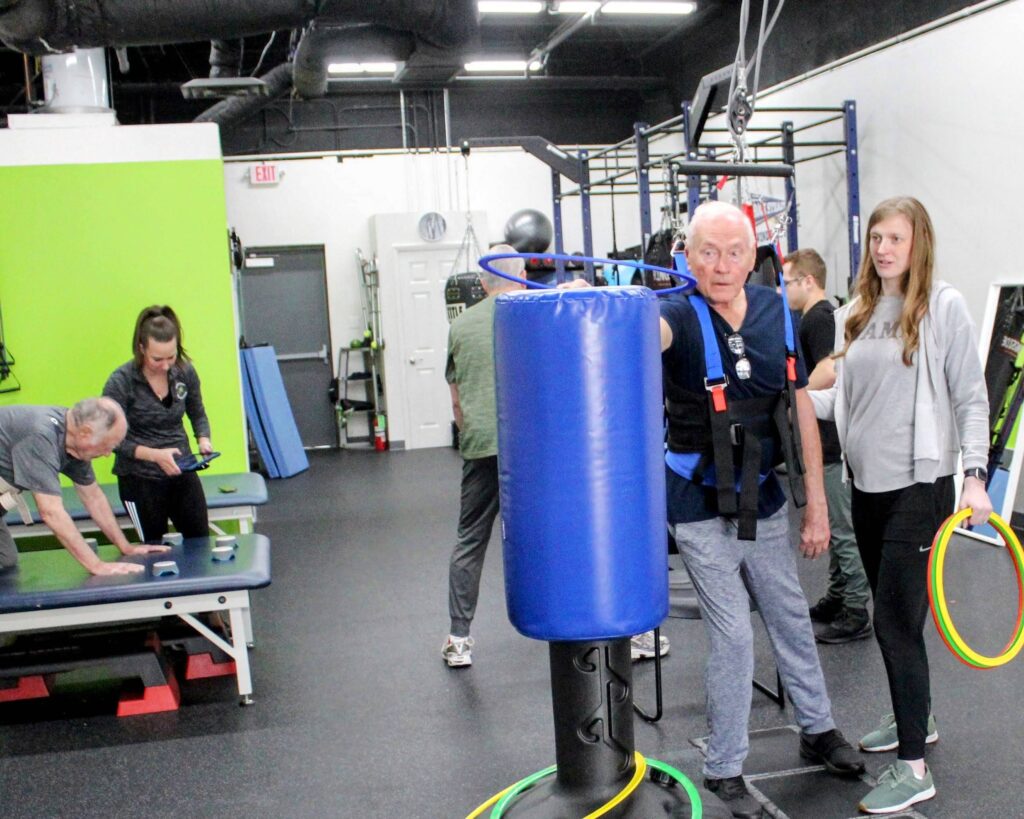
Our programs are designed to help you or your loved one stay engaged, independent and confident.
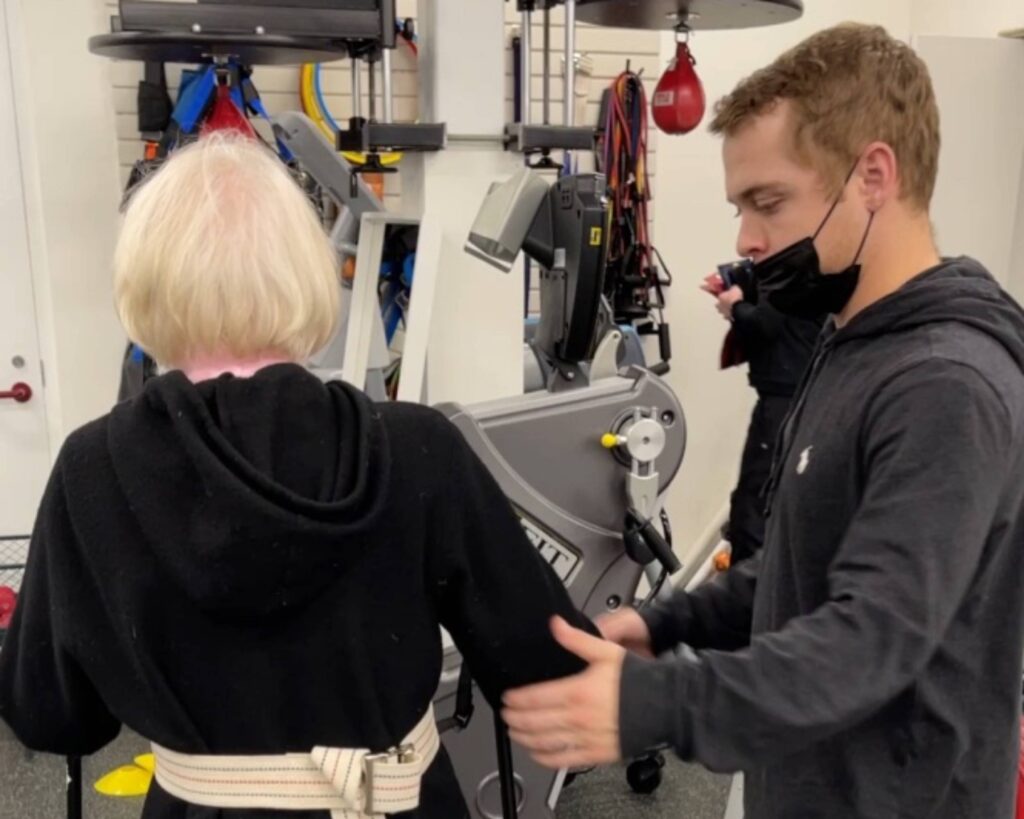
Structured physical activity is one of the most promising lifestyle strategies for supporting brain health and physical function. While there is no cure, regular exercise is associated with:
It’s normal to feel unsure about starting. Here’s what families living with dementia ask us most.
Still have a question? Call (312) 465-3921
Research supports a combination of aerobic, strength, balance, and flexibility training as beneficial for brain health and physical function.
While research suggests that regular activity may help slow cognitive decline and protect brain health, the evidence is still emerging and varies by individual.
Yes. When programs are tailored to individual ability and medically cleared, exercise is both safe and beneficial for most people with Alzheimer’s or dementia.
No one-size-fits-all prescription exists yet, but studies show benefits with regular moderate activity, including walking, strength routines, and balance exercises.
When programmed properly, exercise can help you manage your symptoms better each day and will not worsen your condition. If we see any regression in ability, we will coordinate with your neurologist and physical therapist to ensure proper measures are taken.
Everyone is different, which is why we require all clients to gain medical clearance from their physician before exercising. This helps us understand their current medical status and helps to determine how far they can push themselves. Recent research indicates that vigorous exercise can help shift cognitive decline. It’s important to build a progressive program suitable to your current ability level and increase intensity and duration over time.
We always recommend that people remain active outside any class or guided one-on-one personal training sessions. Your guided exercise with a professional should focus on challenging exercises you cannot do on your own. Your independent exercise can consist of general mobility and cardiovascular exercise.
No, exercise cannot be a substitute for your medication. We strongly suggest working with your neurologist and other physicians on your team to optimize your medications. When you optimize your symptoms, this also helps you maximize the impact of your exercise routine.
Movement Revolution will help you understand your current condition and how exercise can help you maximize your daily abilities. Our team of Neuro Exercise Specialists and client communities are all here to rally around you and help you live stronger every day.
Every member begins with a comprehensive movement evaluation using the latest tools and technology. Each assessment is unique to your diagnosis and sets your personal goals.
Want to connect with us or request an assessment? Complete the form and a member of our team will be in touch shortly.