

Charcot-Marie-Tooth disease (CMT) affects the nerves that control your feet, legs and hands, which can make walking, balance and everyday tasks harder over time. Our Neuro Exercise Specialists work with people living with CMT to build strength, steadier balance and confidence, with a one-on-one program designed around how CMT affects you.
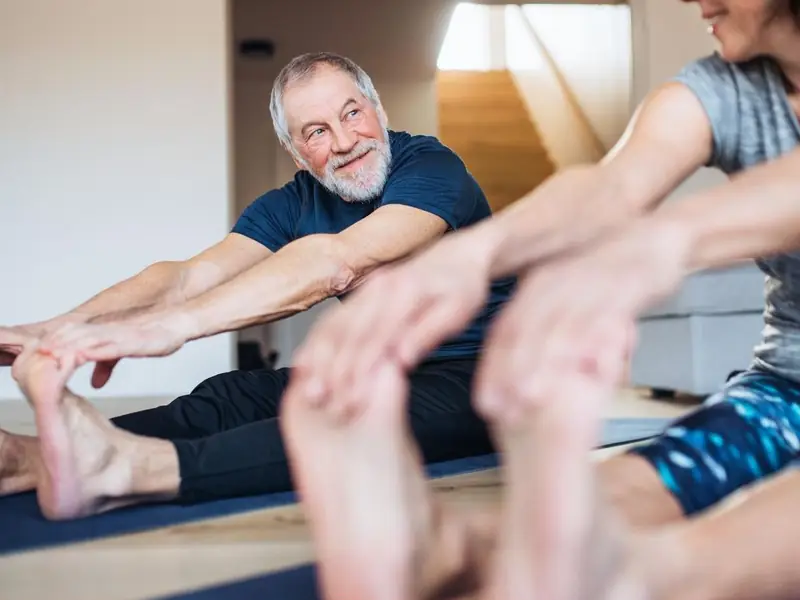
CMT looks different for everyone. We start by learning how it affects your strength, sensation, balance and walking, then design a routine that targets those challenges and supports your everyday life.
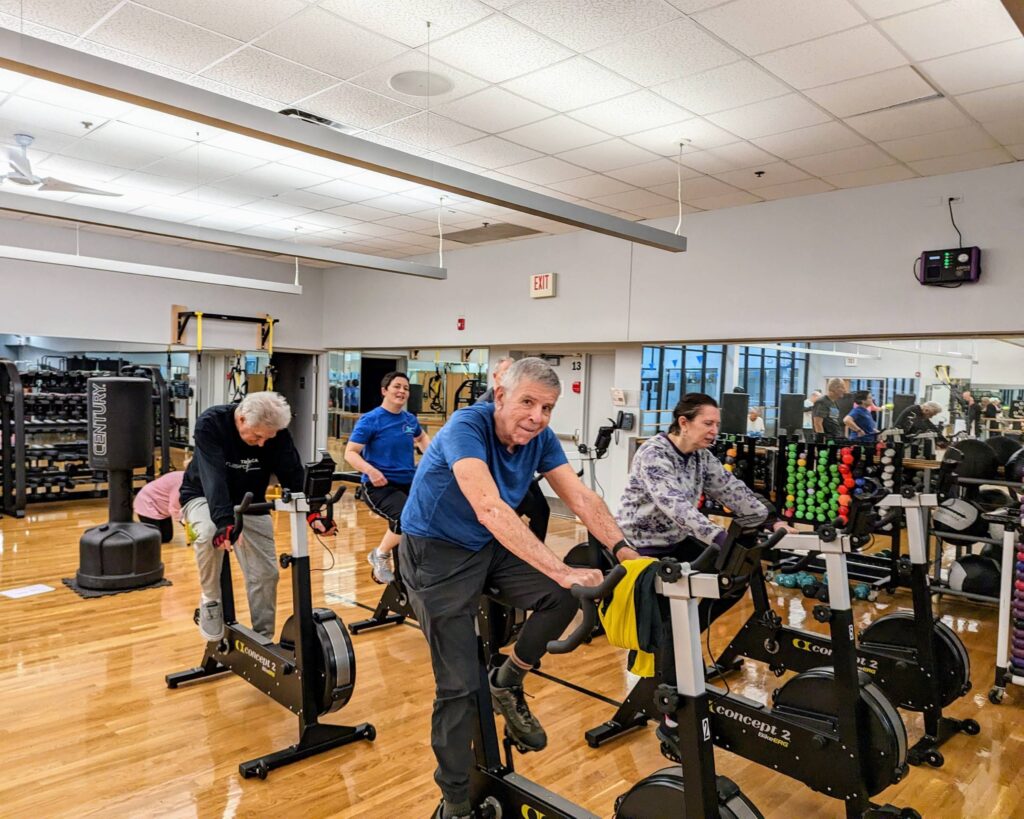
Our team is continually learning, collaborating and developing the most innovative, fun and impactful exercise programs backed by the latest evidence-based research.
It’s normal to feel unsure about starting. Here’s what people with CMT ask us most.
Still have a question? Call (312) 465-3921
For most people, yes. Research suggests that supervised strength and aerobic training is safe for people with CMT and can improve strength, fitness and daily function. The key is the right dose: moderate intensity, gradual progression and enough recovery so weakened muscles aren’t overworked. Talk with your neurologist before starting a new program.
It depends on how CMT affects you, but most programs combine:
Exercise can’t reverse nerve damage, but it can help you make the most of the strength and control you have. We work on hip and leg strength, foot clearance, walking patterns and balance strategies, and we can train with your ankle-foot orthoses (AFOs) or braces so you feel confident in them.
Yes, which is why guidance matters. Muscles affected by CMT can tire more quickly, and very high-intensity training may do more harm than good. Your Neuro Exercise Specialist will choose the right intensity, build in rest and watch for signs of excessive fatigue or soreness that lasts too long.
There isn’t enough research yet to say that exercise slows CMT. What studies do suggest is that regular, well-planned exercise can improve strength, fitness, balance and daily function, which helps you live better with CMT.
Every program is tailored to your current ability level and goals. We start where you are, progress gradually and adapt exercises for hand weakness, balance or fatigue so every session feels challenging but doable.
Every member starts with a comprehensive movement evaluation, unique to your diagnosis. We measure your strength, balance and walking using the latest tools and technology, then work with you to set your personal goals. From there you train one-on-one with a Neuro Exercise Specialist. Learn more or request an assessment.
We help you understand how CMT affects your movement and how exercise can help you maximize your daily abilities. Our Neuro Exercise Specialists work alongside your neurologist and physical therapist so your program fits your full care plan.
Every member begins with a comprehensive movement evaluation using the latest tools and technology. Each assessment is unique to your diagnosis and sets your personal goals.
Want to connect with us or request an assessment? Complete the form and a member of our team will be in touch shortly.

THINK BIG. MOVE STRONG. NEVER QUIT.
Everyone with a neurological condition has the opportunity to significantly benefit from specialized exercise and wellness programs.
info@movement-revolution.com917 N. Orleans St.
Chicago, IL 60610
Mon–Fri 7:30am–5:30pm
Sat 7:30am–12:00pm
151 S. Pfingsten Rd., Suite V
Deerfield, IL 60015
Mon–Fri 8:00am–5:30pm
3S012 Route 53
Glen Ellyn, IL 60137
Mon–Fri 8:00am–5:00pm
Plus classes at community sites across Chicagoland. All locations →